NGO Website Guide: How Nonprofits Build Trust, Attract Donors & Recruit Volunteers Online
Does your NGO need a website? Learn how a professional nonprofit website builds credibility, attracts donations, recruits volunteers, and shares your impact with the world.
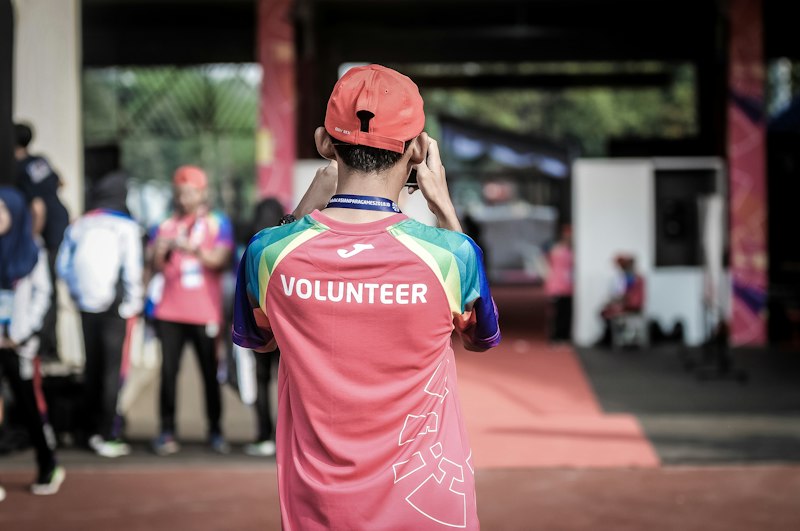
If you run an NGO, a charitable trust, or a nonprofit organization, your mission is what matters most. Every day, you work to make a difference — feeding the hungry, educating children, protecting the environment, or caring for animals. But here is an uncomfortable question: how do potential donors, volunteers, and beneficiaries find you?
In 2026, the first thing people do when they hear about a cause they care about is search online. They want to verify that the organization is legitimate, understand what it does, and see proof of its impact. If they cannot find a professional website, they will move on to another organization that has one.
A website is not just a nice-to-have for NGOs. It is the most powerful tool you have for building trust, sharing your story, attracting donations, and recruiting volunteers. This guide explains why every NGO needs a website and exactly what to include on it.
Why Donors Google Organizations Before Donating
Put yourself in a donor’s shoes. You hear about an NGO doing great work. You want to contribute. Before you send money, what do you do? You open Google and search for that organization.
You want to know:
- Is this organization real and registered?
- What exactly do they do?
- Where does the money go?
- Do they have a track record of impact?
- Can I see photos or reports of their work?
- How can I contact them?
If your NGO does not have a website, or has a poorly designed one, the donor will likely choose a different organization that provides clear, professional information online. A website answers all of these questions before a donor even reaches out to you.
This applies to every type of donor — individuals, corporate sponsors, grant-making foundations, and government bodies. All of them research online before committing their money.

Building Credibility and Trust Online
Trust is the currency of the nonprofit world. People need to trust that their donations will be used responsibly and that your organization is legitimate. A professional website builds that trust in several ways:
Registration and Legal Status
Display your registration number, trust certificate, or society registration on your website. This immediately signals that you are a legitimate, recognized organization. Include links to any government registries where donors can verify your status.
Transparent Financial Information
Publish annual reports, audited financial statements, and a breakdown of how donations are used. When donors see that 80% of funds go directly to programs and only 20% to administration, they feel confident that their money is making a difference.
Team and Leadership
Introduce your founding members, board of trustees, and key staff. Photos, names, and short bios humanize your organization. Donors want to know who is behind the mission.

Sharing Your Impact Through Stories
Numbers tell part of the story, but stories touch hearts. Your website is the perfect place to share the impact of your work through real stories of the people you have helped.
Impact stories might include:
- A child who received educational support and now dreams of becoming a doctor
- A family that received food assistance during a crisis
- A community that gained access to clean drinking water
- An animal that was rescued and rehabilitated
- A elderly person who received medical care through your programs
Each story should include photos, a brief narrative, and specific outcomes. These stories are far more powerful than any statistic. They turn abstract donations into tangible human impact.
Volunteer Registration on Your Website
Many people want to contribute their time, not just their money. A volunteer registration page on your website makes it easy for them to get involved.
Include a simple form with fields for:
- Name and contact information
- Skills and expertise (teaching, healthcare, fundraising, social media, etc.)
- Availability (weekdays, weekends, specific hours)
- Areas of interest (education, healthcare, environment, etc.)
- Previous volunteer experience
- Any questions or preferences
A well-designed volunteer page can bring you a steady stream of dedicated supporters who want to help. Without a website, these volunteers may never find you.
Donation Information Made Simple
Your donation page is one of the most important pages on your website. Make it clear, simple, and trustworthy. Here is what every donation page should include:
- Bank account details for direct transfers
- UPI ID or QR code for easy digital payments
- Links to payment gateways if you accept online donations
- Instructions for international donors if applicable
- Tax exemption information (80G certificate details in India)
- What the donation will be used for (specific programs or general fund)
- A heartfelt thank you message for donors
The easier you make it to donate, the more donations you will receive. Every additional step or confusing instruction causes potential donors to give up.
Events and Campaigns
Your website is the central hub for promoting your events, fundraisers, and campaigns. Whether you are organizing a charity run, a fundraising dinner, a blood donation camp, or an awareness drive, your website should have all the details:
- Event name, date, time, and location
- Purpose and target beneficiaries
- Registration or participation information
- Sponsorship opportunities
- Photos and reports from past events
- Contact person for enquiries
A well-maintained events page shows that your NGO is active and growing. It also gives supporters multiple ways to get involved beyond just donating.

Transparency Through Annual Reports
Annual reports are one of the most powerful trust-building tools for NGOs. They demonstrate accountability, show impact, and provide transparency. Your website should host:
- Annual activity reports with photos and statistics
- Audited financial statements
- Board meeting summaries or governance information
- Future plans and goals
- Thank you section recognizing major donors and partners
Making these documents available for download on your website signals that your organization operates with integrity. Donors and grant-making bodies look for this level of transparency before committing their support.
Success Stories That Inspire Action
Nothing inspires action like a success story. Feature detailed case studies of individuals or communities whose lives changed because of your work. Each success story should follow a simple structure:
- The situation before your intervention (the problem)
- What your organization did (the action)
- The outcome and lasting impact (the result)
- Quotes from beneficiaries, their families, or community members
- Photos that capture the transformation
These stories are your most powerful marketing asset. They prove that donations make a real difference and inspire others to contribute. A website gives you the space to tell these stories properly.
Common Mistakes NGOs Make with Websites
Having No Website at All
Many small NGOs operate entirely through WhatsApp and word of mouth. While these channels are useful, they do not help new donors discover you. Without a website, you are invisible to the people who would most want to support your cause.
Outdated Information
Nothing damages trust faster than a website that still shows last year’s events or outdated bank account details. Keep your website current, especially financial information.
No Clear Call to Action
Every page on your website should guide visitors toward a specific action — donate, volunteer, contact, or share. If visitors do not know what to do next, they will leave without taking any action.
Poor Mobile Experience
Many donors browse on their phones. If your website is slow, hard to navigate, or looks broken on mobile devices, they will assume your organization is not professional and move on.
NGO Website Checklist
- Home page with mission statement and key impact numbers
- About page with registration details and legal status
- Programs page explaining what you do and where
- Impact stories with photos and beneficiary quotes
- Donation page with bank details, UPI, and tax exemption info
- Volunteer registration form
- Events and campaigns page
- Annual reports and financial statements for download
- Team and leadership profiles
- Contact page with phone, email, address, and map
- Social media links
- Mobile-friendly design
How to Get Your NGO Website Online with Host Better
Getting your NGO online is simple and affordable with Host Better:
- Sign up for a Host Better plan (Starter at ₹179/month is perfect for NGOs)
- Prepare your content — mission, programs, impact stories, donation info
- Create simple HTML pages or use a template
- Compress your files into a ZIP folder
- Upload through the Host Better dashboard — your site goes live instantly
- Connect a domain name like yourngo.org or yourngo.org.in
Your NGO’s website will be live with free security and ready to accept donations, recruit volunteers, and share your impact with the world.
Frequently Asked Questions
Does my NGO really need a website?
Yes. Donors, volunteers, and partners research organizations online before engaging with them. Without a website, you miss opportunities for funding, support, and collaboration. A professional website establishes credibility and makes it easy for people to support your cause.
How much does an NGO website cost?
With Host Better, you can start for as little as ₹179 per month. A domain name costs approximately ₹800 to ₹1,200 per year. Total first-year investment is around ₹3,000–₹4,000.
What information should an NGO website include?
At minimum: mission and vision, programs and impact, donation information, contact details, and team profiles. Adding annual reports, success stories, and volunteer registration makes your website even more effective.
Can I accept donations through my website?
Yes. You can display your bank account details, UPI ID, and QR code on your donation page. For online payment integration, you can link to external payment gateways that your NGO uses.
How long does it take to get an NGO website live?
With Host Better, your website goes live in under a minute after uploading. The entire process from signing up to having a live site takes less than 30 minutes.
Do I need technical skills to create an NGO website?
No. Host Better is designed for beginners. You can use a simple template, add your content, and upload it without any coding knowledge. If you need help, you can ask a volunteer or student to assist.
Summary
A website is one of the most important investments your NGO can make. It builds trust with donors, attracts volunteers, shares your impact, and makes it easy for people to support your cause. In a world where everyone searches online first, not having a website means missing countless opportunities to make a difference.
With Host Better, you can have a professional NGO website live for less than ₹180 per month. Give your organization the credibility and reach it deserves.
People Also Ask
How much does an NGO website cost?
An NGO website costs as little as ₹179 per month for hosting with Host Better, plus ₹800–₹1,200 per year for a domain name like yourngo.org. Using a free template and preparing your own content keeps your total first-year investment around ₹3,000–₹4,000.
What should an NGO website include?
Every NGO website needs mission and vision statements, program descriptions with impact metrics, donation information (bank details, UPI, tax exemption), volunteer registration form, team profiles, annual reports, and clear contact information.
How can an NGO website attract more donations?
A professional website builds trust by displaying registration details, transparent financials, and impact stories. Donors research organizations online before donating. A clear, professional site with donation instructions and proof of impact significantly increases donations.
Do I need technical skills to create an NGO website?
No. With Host Better, prepare your content, use a simple template, compress into a ZIP file, and upload through the dashboard. Your site goes live instantly with free SSL, no coding required.
Featured Snippet: NGO Website
An NGO website is a professional online presence for nonprofits, charities, and social organizations. It showcases the mission, programs, impact stories, and donation information, helping build trust with donors, recruit volunteers, and share the organization's work with the world.
Ready to launch your website?
Deploy your website in minutes with Host Better. Free SSL, custom domains, and instant deployment included.
Start Hosting Now